Mental Health Awareness Month Day 21
Reflection on Coping Tools
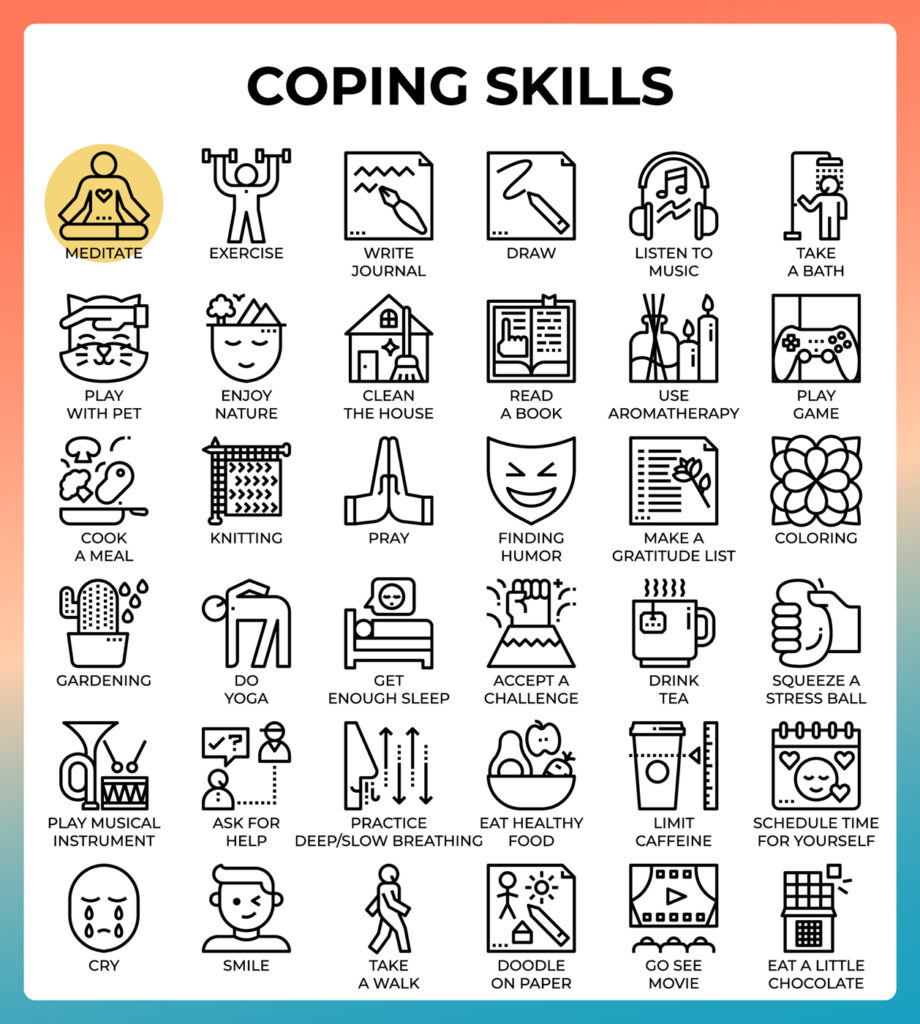
I have spent the past week exploring different coping strategies, and one thing stands out: not everything works the same way every time. Some tools feel effective immediately. Others take time. And some don’t seem to work at all—at least not in the way you expected. That can be frustrating.
It’s easy to assume that if something doesn’t work right away, it’s not worth continuing. But mental health doesn’t respond to quick fixes. What helps often depends on timing, consistency, and what you actually need in the moment.
For example, journaling might feel helpful when your thoughts are overwhelming, but less useful when you’re mentally drained. Movement might help when you feel stuck, but not when you’re already exhausted. The key is flexibility.
Instead of looking for one solution that works in every situation, it’s more useful to build a small set of tools you can rely on depending on how you feel. Another important realization is that simple things tend to work best. Not because they’re powerful on their own, but because they’re sustainable. You’re more likely to take a short walk than commit to a complex routine. You’re more likely to write a few sentences than fill pages every day. And consistency matters more than intensity.
It’s also worth acknowledging that sometimes, nothing feels like it’s helping.
That doesn’t mean you’re doing something wrong. It just means you might be in a state where progress is slower or less visible. In those moments, even maintaining small habits is meaningful.
This week hasn’t been about finding perfect solutions. It’s about noticing what supports you—even in small ways—and being willing to return to those things without expecting them to solve everything at once. Because over time, those small supports a