
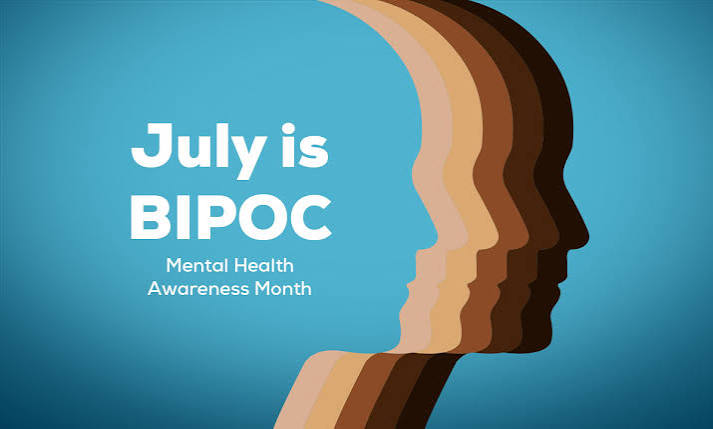
Each July, we recognize Bebe Moore Campbell National Minority Mental Health Awareness Month (also referred to as BIPOC Mental Health Month). Named in honor of teacher, author, advocate, and journalist Bebe Moore Campbell, this month is a time to focus on the unique strengths and challenges that Black, Indigenous, and people of color (BIPOC) face when it comes to mental health. : Campbell was co-founder of NAMI Urban Los Angeles. She dedicated her life to expanding mental health education and dismantling systemic stigma in underrepresented communities. In 2008 the U.S. House of Representatives officially designated July in her memory as Bebe Moore Campbell National Minority Mental Health Awareness Month.
While mental illnesses can affect individuals of any race, ethnicity, or background, unique external and internal barriers to accessing care and treatment exist for minorities. A few examples of these barriers include lack of access to health coverage, discrimination in treatment settings and cultural stigmas surrounding mental health.
So, how can we address mental health in BIPOC communities? Rosalind Ghafar Rogers, PhD, LMHC, Clinical Behavioral Health Subject Matter Expert tells us this: First and foremost, by breaking the silence, raising awareness, and uplifting and elevating the voices and lived experiences of BIPOC communities, including migrants and refugees.
1. Break the stigma of mental health by promoting open dialogue, challenging stereotypes, and promoting awareness and education about mental health and seeking support.
2. Increase representation and encourage diversity within the mental health field by recruiting and supporting mental health professionals from BIPOC communities.
3. Develop and implement culturally responsive or relevant healing practices that provide a holistic approach to healing and integrate cultural and historical knowledge, spirituality, and traditional healing techniques and practices into mental health programming and interventions. Culturally responsive services recognize the importance of BIPOC clients identifying sources of trauma and systems of oppression. In addition, culturally responsive healing is grounded in empowerment and collectivism and evolves through the processes of resilience, resistance, hope, and restorative justice (French et al., 2020).
4. Community-based support plays a critical role in promoting mental health in BIPOC communities by fostering a sense of belonging and solidarity where individuals can share their experiences, seek both formal and informal support, and find comfort in shared historical and cultural values and traditions.